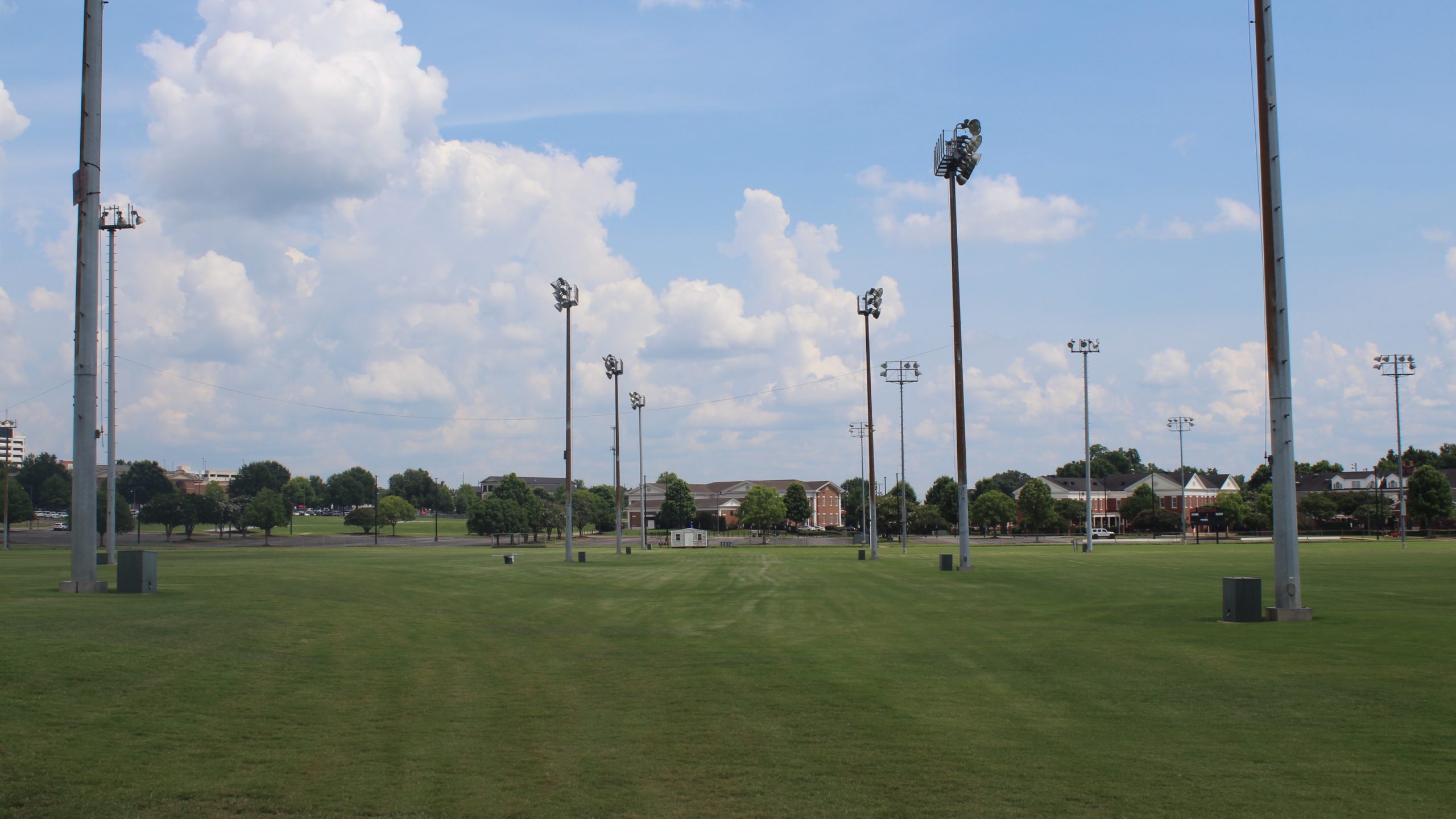
Student-Athletes Often Face Difficulties Expressing Their Views
Story and Header Photo by: Ana Zlatanovic
The right to freedom of expression is guaranteed to every American.
After all, the First Amendment states, “Congress shall make no law respecting an establishment of religion, or prohibiting the free exercise thereof; or abridging the freedom of speech, or of the press; or the right of the people peaceably to assemble, and to petition the Government for a redress of grievances.”
This power is something that must be expressed responsibly —not sanctioning any form of speech which indicates hatred or violence. For the most part, this right allows all individuals the ability to express their beliefs openly in whichever form they choose. In recent times, athletes’ right to free speech has been getting more limited.
While a majority of athletes are affected by prominent social issues, only a select few speak out. This is due to the coaches and brands who support these athletes and wanting to keep their picture-perfect image intact. Because of these strict regulations, it can often be hard to challenge the status quo. Concerns arise that athletes who frequently speak out in regard to controversial topics do not align with sporting norms.
One major issue is the pressure coaches and programs place on student-athletes to maintain a certain image. Coaches emphasize discipline, civil standards, and professionalism within their teams. However, these social expectations often feed into athletes’ personal lives, causing them to feel discouraged to express what they are passionate about. A recent high school graduate from Seattle, Julia Coco, played varsity soccer and ultimate frisbee for both a school and club team. As someone who has been heavily involved in sports her whole life, Coco is a prime example of bright student-athlete who carries the pressure and accountability of wanting to succeed.
When asked what freedom of speech means to her as a student-athlete, Coco said, “It means the ability to express my unfiltered thoughts and feelings about issues that I am passionate about, specifically inequality in the American sports system.”
Coco’s definition of what free speech is to her highlights an important issue which many other student-athletes also face — the tension between personal beliefs and public expectations.
Although these athletes may have strong beliefs on certain social issues, they often face silent pressures in order to avoid conflict with coaches, brands, and other students. Through sharing “unfiltered thoughts and expressions,” the true meaning of freedom of expression comes into play: being able to speak honestly without worry over consequences.
Many student-athletes feel as if expressing controversial opinions could harm their image or create conflict within their community. Coco’s viewpoint shows how student-athletes value their right to speak freely, but fail to do so because of expectations placed on them to uphold their reputation. This directly reflects the big challenge they face today — being an accomplished student-athlete while still keeping true to their own, individual values.
An additional complex issue is the conflict between societal standards and athletes. While athletes often face criticism from brands and corporations, they must also navigate how to conform with the public’s standards of how they should use their voice.
Society tends to celebrate athletes when they participate in charitable work, rather than when they use their platform to challenge systemic issues such as racism, homophobia or politics. This dynamic, when put in power, fully alters the sports system. It takes the environment from a welcoming athletic arena to a challenging and confusing battlefield.
Ultimately, it is up to society as a whole to get rid of this toxic dynamic through insightful and respectful communication. However, changing something so deeply rooted in American standards can be difficult, and at times, feel almost impossible.
Rising senior Gabriella Benros, who attends Roosevelt High School in Seattle, has dealt with this issue firsthand. Benros serves as a member on her school’s varsity soccer team, along with being a part of the Celtic Girls Academy league. As someone who has had long time success in her sport, Gabriella is aware of the difficulties that come along with being a part of a team-based community.
Many athletes feel hesitant to share their beliefs because they are scared of backlash.
“I know what I can say and what I cannot since I am representing my school,” Benros said. “But there have been a few instances in which I have been discussing a certain issue, which could be deemed as controversial, and I have been told to be quiet. I assume it is because we were in a professional setting, but I was not saying anything offensive.”
Benros’ experience showcases the reality of young student-athletes — the transformation within societal standards surrounding student perspectives. When institutions silence these athletes, it makes it seem as if they are prioritizing social compliance rather than educational growth. This teaches young athletes that their value is strictly tied to athletic performance rather than their own individual self.
The fight for freedom of expression in sports is not a legal debate, but rather a question of what society values in an athlete. Someone who ignores prominent issues in our society, or someone who uses their platform to give a voice to those who are not heard?
Ultimately, the immense institutional pressures to keep a certain image intact teaches young athletes that their skill is more valuable than their voice. Moving forward, transforming this restricted system requires a collective effort from coaches, players, and the media. By dismantling these deep societally-rooted expectations, we can foster an environment where athletes are empowered to excel in both sports and activism.